 Find Location
Workplace Blog For Dreamers, Creators and Doers
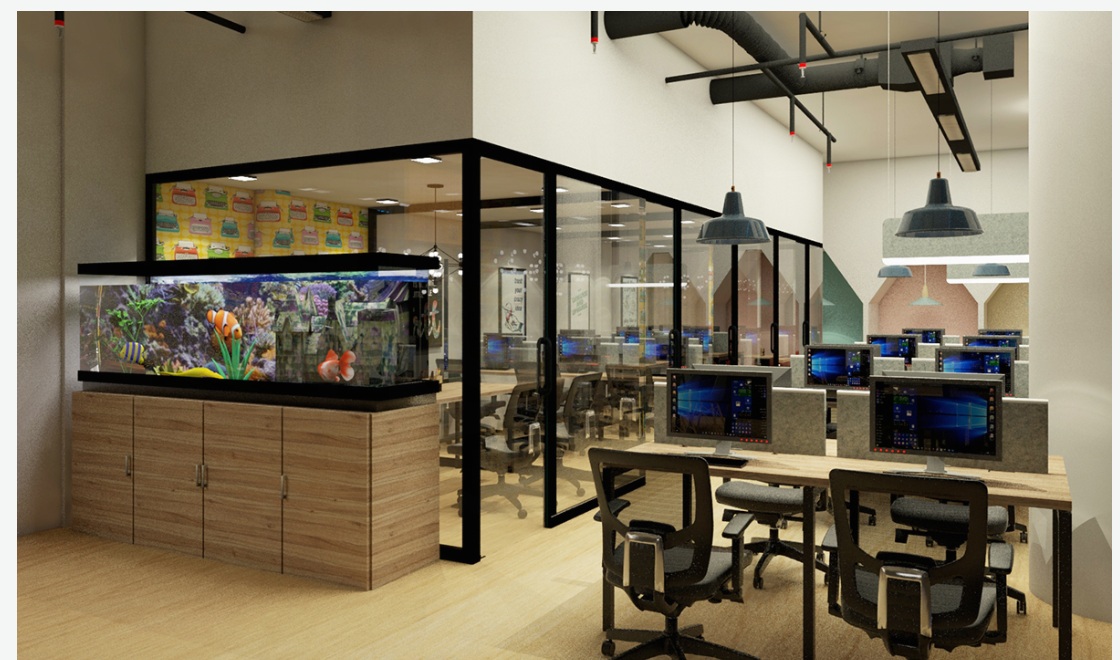
Choosing the right coworking setup can make a bigger difference than many people expect. The right space affects your focus, your budget, your privacy, and even how clients perceive your business.
For freelancers, founders, and small teams, the decision usually comes down to three popular options: private office, dedicated desk, and hot desk. Each one solves a different problem, and the best fit depends on how you work day to day.
At DesqWorx, these options can help you match your workspace to your goals instead of forcing your business to fit into one rigid setup. If you are deciding between them, this guide breaks down what each option means, how they compare, and who should choose which one.
A coworking membership is not just about getting a place to sit. It is about choosing the level of privacy, stability, and flexibility that supports your work style.
A private office is a fully enclosed room inside the coworking space, reserved for you or your team. It gives you the highest level of privacy and control, which is why it is often preferred by small businesses, client-facing teams, and companies handling sensitive work.
You can usually leave equipment, documents, and personal items inside the room, and your team can work without the distractions of a shared open area. For many businesses, that sense of control is worth paying more for because it creates a more professional and secure environment.
Private offices are especially useful if you take calls often, work with confidential files, or want a branded space where clients can visit comfortably. They also help teams build routines because everyone knows where to sit, meet, and store their work.
A dedicated desk is your own reserved desk in a shared coworking area. The desk is yours every day, so you do not need to search for a seat when you arrive, and you can usually keep some personal items in a locker or drawer.
This option sits between private office and hot desk in terms of cost and privacy. You still benefit from a stable routine, but you also remain part of a shared environment where it is easy to meet other professionals.
Dedicated desks work well for freelancers, consultants, and solo founders who want consistency without the cost of a private room. If you like knowing exactly where you will work each day but do not need complete isolation, this is often the most balanced option.
A hot desk is the most flexible option. You arrive at the coworking space and choose any available seat in the shared area, usually for the day or on a flexible monthly plan.
This setup is ideal for people who do not need a fixed location every day. It is usually the most affordable option, which makes it attractive to early-stage freelancers, remote workers, and people who only need office access part-time.
Hot desking also creates more social interaction because you are seated near different people over time. That can be useful if you want to network, collaborate, or simply enjoy a more dynamic environment. The trade-off is that you have less privacy and less control over your surroundings.
Price is often the first thing people compare, but the lowest monthly fee is not always the best value. The real question is how much productivity, convenience, and professionalism each option gives you for the amount you pay.
Private offices are usually the most expensive option because you are paying for exclusive use of an enclosed space. A placeholder pricing structure might look like this:
The exact number depends on the size of the room, the number of seats, and the amenities included. Some offices include utilities, cleaning, internet, reception support, and meeting credits, while others may charge extra for add-ons.
The value of a private office is not just about the space itself. It is about saving time, reducing distractions, protecting sensitive work, and giving your team a stable base. For a business that needs that level of control, the premium can be worth it.
Dedicated desks usually sit in the middle of the pricing range. A placeholder monthly rate might be:
This option gives you a fixed workstation without the overhead of a private room. You generally pay less than for a private office, but you gain more stability than with a hot desk.
For many solo professionals, this is the best balance between cost and comfort. You can leave your work materials in one place, keep a consistent routine, and still enjoy the energy of a shared space. That combination often improves productivity without pushing the budget too far.
Hot desks are typically the most affordable choice. A placeholder pricing model might be:
Because you are sharing the workspace more freely, you are not paying for exclusive use of a desk. That lower cost makes hot desks appealing to occasional users or people who are still testing whether coworking is right for them.
The value of a hot desk comes from flexibility. If you only work in an office a few days each week, it may be more sensible to pay for access when you need it rather than commit to a fixed station. For some workers, that is the most efficient way to stay productive and keep expenses under control.
Privacy is one of the clearest differences between these three options. It affects how comfortably you can take calls, how easily you can concentrate, and how safe it feels to handle important work.
Private office for focus
A private office offers the highest level of privacy and the fewest distractions. If your work involves confidential client conversations, strategy sessions, or long stretches of deep focus, this is the strongest choice.
Because the room is enclosed, you can control noise better and create a work environment that fits your team. You may be able to organize the layout, keep files securely inside, and use the room for both focused work and meetings.
This matters especially for teams that talk to clients frequently. A private office creates a more polished atmosphere and reduces the risk of sensitive information being overheard. For many businesses, that alone justifies the higher cost.
A dedicated desk gives you more stability than a hot desk, but it is still in a shared area. That means you will likely hear some background noise and see other people moving around during the day.
For many people, that is a good balance. You have your own spot, and you can set up your tools the way you like them, but you are not cut off from the energy of the coworking environment. If you can focus well with headphones or a clear routine, this can work very well.
Dedicated desks are often a smart choice for people who need regular concentration but do not require full separation. They are also useful if you like having a predictable place to work every morning.
Hot desks are usually the least private option. Since the seating is shared and changes daily, you have less control over noise, layout, and personal space.
That does not make them a bad choice. It simply means they suit a different style of work. If you mainly need a laptop, Wi-Fi, and a professional place to work for a few hours, hot desking can be enough. It is especially useful for people who spend a lot of time on the move or who do not need a permanent setup.
If you choose a hot desk, it helps to use noise-cancelling headphones and reserve meeting rooms for important calls. That way, you can keep the flexibility of the arrangement without sacrificing too much privacy.
One of the biggest reasons people choose coworking is community. The level of interaction you get depends a lot on which workspace type you choose.
Hot desks usually give you the most casual interaction with other members. Since seats are shared, you are more likely to meet different people over time and start conversations naturally.
That can be valuable if you are a freelancer, consultant, or solo operator looking to build connections. You may find new clients, collaborators, or even friends just by being in a more open and social setting.
The downside is that the community may feel less consistent because people come and go more often. Still, if networking is a major priority, hot desking can be a strong starting point.
Dedicated desks tend to create slower but deeper connections. Since you are in the same place regularly, you see familiar faces and build stronger working relationships over time.
This is ideal if you want community without too much movement. You may not meet as many new people in a single day as you would with hot desking, but the relationships you do build can become more meaningful.
For many professionals, that is a nice middle ground. You get the social benefits of coworking while still enjoying routine and structure.
Private office members usually interact less casually during the workday because they are behind closed doors. However, that does not mean they miss out on community altogether.
Most coworking spaces host events, workshops, lunches, and networking sessions that private office members can join. That lets you enjoy privacy at work and connection when you want it.
This is often the best setup for businesses that need quiet during the day but still value a wider professional network. It gives you access to the larger ecosystem without forcing constant social interaction.
Productivity is not just about motivation. It is also about how well your workspace supports the way you work physically and mentally.
A private office gives you the greatest ability to shape your environment. You may be able to choose your furniture layout, keep your monitors where you want them, and create a workspace that matches your workflow.
That kind of control can improve comfort and efficiency. It also helps teams settle into routines faster because the space is consistent and personalized. If your work depends on long calls, deep concentration, or regular internal meetings, that consistency can be a major advantage.
A dedicated desk provides a stable workstation without the full responsibility of a private room. You still get your own seat, and in many cases you can keep accessories like notebooks, chargers, or small office tools nearby.
This works well for people who want a dependable setup but do not need complete control over the room. It can also be a productivity boost because you do not waste time finding a desk every day. You simply arrive, settle in, and start working.
Hot desks are the most adaptable option, but they can be less predictable. You may sit in a different place each day, and that can either help or hurt productivity depending on your personality.
If you enjoy variety and can focus in changing environments, a hot desk may work well. If you need a fixed routine or rely on a lot of equipment, it may feel less efficient. For that reason, hot desks are often best for lighter workdays, mobile professionals, or people who split their time between home and office.
The workspace you choose can shape how clients and partners see your business. Even if you work mostly online, the physical setting still sends a message.
A private office often creates the strongest professional impression. Clients visiting your workspace are likely to see a more established, secure, and serious business.
This can be especially important for consultants, agencies, legal professionals, finance teams, or startups meeting investors. A private office allows you to present your company in a polished way while keeping sensitive discussions out of the open area.
A dedicated desk presents a professional image too, but in a less formal way. It says you are established enough to have a fixed base, while still being flexible and cost-conscious.
If you do not host clients often, this can be more than enough. Meetings can be moved into conference rooms, and day-to-day work can happen at your reserved desk. It gives you credibility without the overhead of a private room.
Hot desks are usually less suitable if clients visit frequently, simply because there is no fixed personal workspace to show them. That said, they are still a valid choice for people who meet clients elsewhere or only need a place to work between appointments.
If you choose a hot desk, use meeting rooms or reception areas for client conversations. That way, you keep the flexibility of the plan while still maintaining a professional presentation.
The best workspace is not only right for today. It should also support how your business may grow over the next few months.
Private offices are great for teams that want to stay together as they expand. You can usually add seats or move to a larger room as needed, depending on availability.
This makes private offices attractive to startups that expect growth but still need a controlled environment. The trade-off is that they usually involve longer commitments and less day-to-day flexibility than the other two options.
Dedicated desks work well when a small team is growing slowly. You can add more seats over time without immediately committing to a full private office.
This is useful for founders who want a predictable cost structure and a scalable way to bring in extra team members. It can be a practical stepping stone before moving into a larger enclosed space.
Hot desks are the most flexible option because they can adapt quickly to changing needs. If your workload varies or your team is mostly remote, this can be a very efficient setup.
The downside is that hot desks are not ideal for teams that need to sit together every day or store shared equipment. They are best when flexibility matters more than permanence.
Security becomes more important when you are handling laptops, documents, or client data. Each workspace type offers a different level of protection.
A private office gives you the best control over security. You can keep materials inside the room, restrict access, and reduce the chance of someone walking away with your equipment.
That makes it a strong option for legal teams, finance professionals, agencies with sensitive client files, or any business that needs a closed environment. It also helps create a more organized workflow because everything stays in one secure place.
Dedicated desks usually come with some storage, such as a locker or drawer. That helps you keep your items safe while still working in a shared environment.
It is not as secure as a private office, but it is enough for many professionals. If you carry valuable gear or confidential papers, this is a much better choice than a hot desk.
Hot desks usually offer the least storage. Since the desk is not yours permanently, you may need to carry most of your items with you or store them in a shared locker.
That can be inconvenient if you work with lots of equipment. On the other hand, if you only carry a laptop and a few essentials, the setup may be perfectly manageable.
| Feature | Private Office | Dedicated Desk | Hot Desk |
| Privacy | High | Medium | Low |
| Cost | Highest | Medium | Lowest |
| Flexibility | Medium | Medium | High |
| Storage | High | Medium | Low |
| Community | Medium | Medium-High | High |
| Best for | Teams, confidential, work, client meetings | Freelancers, consultants, solo founders | Remote, occasional users |
| Focus | Excellent | Good | Variable |
| Professional image | Strongest | Strong | Moderate |
That can be inconvenient if you work with lots of equipment. On the other hand, if you only carry a laptop and a few essentials, the setup may be perfectly manageable.
Here is a simple comparison to help you choose faster.
The main takeaway is simple: choose privacy when your work demands it, choose stability when you want routine, and choose flexibility when cost and mobility matter most.
The easiest way to decide is to think about how you actually work, not just how you imagine working.
Choose a private office if you:
Choose a dedicated desk if you:
Choose a hot desk if you:
A lot of members eventually realize they do not need just one solution. A hybrid setup can work very well, such as a private office for the core team and hot desks for visiting staff or contractors. That gives you room to grow without overcommitting too early.
The right coworking option depends on what you value most: privacy, consistency, or flexibility. There is no single best answer for everyone, but there is a best fit for your work style.
If you need focus and confidentiality, private office is usually the strongest choice. If you want routine without paying for a full room, dedicated desk is often the best balance. If you want low cost and maximum freedom, hot desk gives you the most flexibility.


